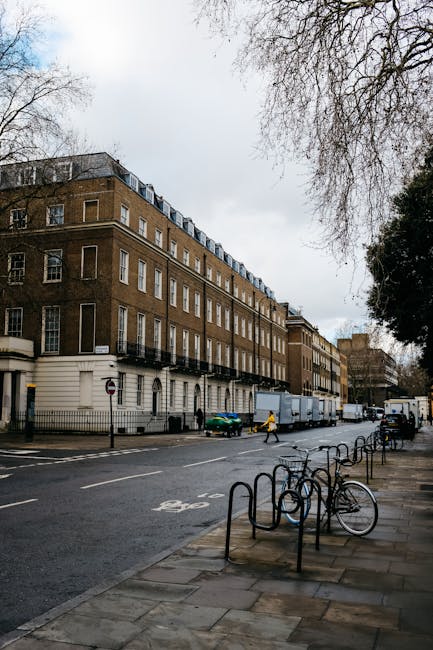
Removals access challenges Haverstock Hill flats Belsize Park
If you are planning a move in this part of North London, you already know the headline issue: removals access challenges Haverstock Hill flats Belsize Park can turn a straightforward move into a bit of a puzzle. Tight stairwells, shared entrances, awkward parking, upper-floor flats, and the occasional "where on earth do we park?" moment all matter. The good news is that most access problems can be handled calmly with the right prep. This guide explains what usually goes wrong, why it matters, and how to plan a smoother move without the stress.
We will look at practical solutions, local considerations, what to check before moving day, and how to choose a service that actually fits the building you live in. No fluff. Just the kind of detail that saves time, avoids damage, and makes the whole thing feel less like a small disaster waiting to happen.
Table of Contents
- Why Removals access challenges Haverstock Hill flats Belsize Park Matters
- How Removals access challenges Haverstock Hill flats Belsize Park Works
- Key Benefits and Practical Advantages
- Who This Is For and When It Makes Sense
- Step-by-Step Guidance
- Expert Tips for Better Results
- Common Mistakes to Avoid
- Tools, Resources and Recommendations
- Law, Compliance, Standards, or Best Practice
- Options, Methods, or Comparison Table
- Case Study or Real-World Example
- Practical Checklist
- Conclusion
- Frequently Asked Questions
Why Removals access challenges Haverstock Hill flats Belsize Park Matters
Access sounds like a small detail right up until moving day. Then it becomes the whole story. In Haverstock Hill and the wider Belsize Park area, many flats sit in converted period buildings, mansion blocks, or compact modern developments. That usually means narrow communal hallways, awkward turns, stair-only access, basement levels, split-level layouts, and loading space that is never quite as generous as you hoped.
Why does that matter so much? Because the access plan shapes almost everything else: the size of van you can use, how many movers you need, whether furniture needs to be dismantled, how long the job takes, and whether there is any realistic chance of moving without bumping walls or blocking neighbours. A move that looks simple on paper can become tricky in practice when a sofa meets a tight landing. That is the bit people underestimate.
It also affects cost. Not because companies are being dramatic, but because difficult access often means more labour time, more risk, and more careful handling. If you want accurate pricing, the access details need to be clear from the start. If you hide the awkward bits, the day usually bites back.
There is a neighbour element too. Flats in Belsize Park often share entrances, stairwells, and on-street space. A poor moving setup can annoy residents, delay lifts, and create avoidable friction. In a place where people notice the sound of a trolley at 7:30 in the morning, a considerate plan goes a long way.
Expert summary: The real key to smooth flat removals in Haverstock Hill is not brute force. It is planning the access like a logistics problem: entrances, steps, parking, lift use, timings, protection, and furniture sizes all need to line up.
How Removals access challenges Haverstock Hill flats Belsize Park Works
Good removals planning starts with a simple access audit. Not a formal inspection, just a clear look at the route from the van to the front door and from the front door to each room. You want to know where the bottlenecks are before anyone arrives with a heavy wardrobe and optimistic expectations.
For flats in this area, the main access issues usually fall into a few patterns:
- Stair-only access with no lift, especially in older conversions.
- Narrow hallways that make large items awkward to rotate.
- Restricted parking or a limited stopping point near the entrance.
- Shared entrances where movers need to be quick, tidy, and careful.
- Height or width constraints on sofas, beds, wardrobes, or appliances.
- Loading distance from the vehicle to the flat, which adds time and labour.
A practical removals team will usually assess these factors before the move date, either from photos, a video walkthrough, or a site visit. That allows them to decide whether a smaller van is better, whether items should be wrapped and dismantled in advance, and whether extra people are needed on the day.
In real terms, this is where the difference between a smooth job and a messy one is made. For example, a two-seater sofa may fit through the front door but not the bend on the stairwell. That does happen. More often than people think, honestly.
The process also changes if you are moving out of a flat and into another flat with equally awkward access. You are not just solving one obstacle, but two. That is where careful sequencing matters: item prep, loading order, elevator use if there is one, and making sure the delivery route at the other end is ready before the van arrives.
If you are comparing moving services, it helps to look beyond the headline price. A helpful place to start is the company's own explanation of removal services and whether they discuss access, packing, and handling for flats. If they do, that is usually a good sign. If they do not mention access at all, ask more questions.
Key Benefits and Practical Advantages
Sorting access properly does more than avoid problems. It improves the whole move in ways that are easy to feel on the day.
- Less damage risk: Clear routes and the right equipment reduce knocks to walls, banisters, and furniture.
- Better time control: Moves are faster when the team knows exactly how to get items in and out.
- More accurate quotes: Clear access details mean fewer surprise charges later.
- Less stress for you: You are not improvising while standing in the hallway with a dismantled bed and a stressed cat.
- Better neighbour relations: A tidy, efficient move is far less disruptive in shared buildings.
- Safer handling: Tight corners and long stair runs are easier to manage when the route is planned.
There is also a quieter benefit: confidence. Once you know the access plan works, the move stops feeling like a mystery. You can think about the new place, where the kettle is going, whether the curtain rail fits, all those ordinary little things that make a home feel like home.
Commercially speaking, good access planning also helps you compare services properly. A company offering man and van support may be ideal for smaller loads, while a larger household move may need a more complete setup. The point is not just to hire transport; it is to match the method to the building.
Who This Is For and When It Makes Sense
This topic matters to anyone moving into or out of a flat on Haverstock Hill or in Belsize Park, but it is especially relevant if your building has old staircases, limited frontage, or no dedicated loading bay. It also matters if you are moving with bulky furniture, fragile items, or a tight schedule.
You will get the most value from thinking about access in advance if you are:
- moving from a top-floor flat with no lift
- living in a converted townhouse with a narrow staircase
- sharing a building entrance with several neighbours
- moving at a time when parking is likely to be difficult
- relocating large items like wardrobes, mattresses, or American-style fridges
- working to a move-out deadline and cannot afford delays
It also makes sense if you are a landlord, agent, or property manager arranging a tenant move. A five-minute discussion about access can prevent an hour of confusion later. That is the sort of thing people only remember after the fact, which is a shame because it is so easy to fix beforehand.
If you need a broader service that covers home relocations, home moves may be more suitable than a simple collection-and-drop-off arrangement. And for larger domestic jobs, house removals can be a better fit, especially where access adds a layer of complexity.
Step-by-Step Guidance
Here is a practical way to handle access issues without overcomplicating the move.
- Walk the route from street to flat. Note steps, tight turns, doors, intercoms, lifts, and any awkward thresholds.
- Measure the big items. Sofas, beds, wardrobes, fridges, and desks matter most. A rough tape measure check is enough to spot obvious problems.
- Check parking and stopping options. The van should be able to get close enough to keep carrying distance sensible.
- Tell the mover about every constraint. Even the awkward stuff. Especially the awkward stuff.
- Decide what should be dismantled. Beds, tables, and modular furniture are often easier if broken down first.
- Protect the route. Think floor coverings, corner guards, blankets, and door protection where needed.
- Agree the loading order. Load heavy, awkward, and fragile items in a sensible sequence so there is less shuffling around later.
- Allow extra time. Flat moves with difficult access almost always take longer than expected. Better to build in breathing room.
One useful habit is to take a few photos of the entrance, stairwell, and parking area in daylight. Morning light is usually kinder, and it helps show the shape of the route properly. A quick video walkthrough can be even better. It is a tiny task, but it removes a lot of guesswork.
If you are still deciding between options, a general removals service can cover the whole process, while a more focused man with van removal setup may suit smaller homes or simpler loads. There is no single answer; it depends on the flat and the furniture. That is the honest version.
Expert Tips for Better Results
Here are the little things that make a surprisingly big difference.
- Book a time slot that suits the building: Avoid busy hours if neighbours are likely to be coming and going.
- Pre-pack the easy items early: Books, kitchenware, and loose items take more time than people expect.
- Label by room and priority: Not just "kitchen," but "kitchen - first box" or "bedroom - bedding first."
- Leave a clear walkway: A tidy corridor saves time and avoids silly little stumbles.
- Check whether the lift can be reserved: If your building has one, see if there is a booking process. Some do, some do not.
- Keep essentials separate: Chargers, documents, medication, keys, kettle. The usual suspects.
In our experience, access problems are rarely solved by lifting harder. They are solved by thinking earlier. To be fair, that sounds almost too simple, but it works.
One more thing: if your building has a mix of residents, try to be considerate about noise and timing. A friendly note in the lobby can prevent grumbling later. You do not need to overexplain yourself. Just enough to keep the day civil.
For additional support with preparation, packing and unpacking services can be useful when you want to reduce the amount of loose handling in tight hallways. Less clutter, less chance of snagging something on the way down the stairs.
Common Mistakes to Avoid
Most access problems come from a few predictable mistakes. Avoid these and you are already ahead of the game.
- Assuming a sofa will fit because it "looked fine" in the room. Hallway corners and stair turns are where reality checks happen.
- Not mentioning parking limits. A van that cannot stop close to the building can throw the whole schedule off.
- Leaving packing too late. Access gets harder when corridors fill with half-packed boxes and loose bits.
- Forgetting about fragile communal areas. Stair rails, paintwork, and glass panels need care.
- Choosing the wrong vehicle size. Too small creates extra trips; too big can be hard to place safely.
- Not measuring door widths. It sounds basic because it is basic, and still people forget it.
There is also a mindset mistake: expecting the move to "just happen." It rarely does in a flat with awkward access. A little planning saves a lot of last-minute heroics. And nobody enjoys heroics at 8 a.m. with a mattress in the stairwell.
Tools, Resources and Recommendations
You do not need fancy equipment to manage removals access well, but a few practical tools help a lot.
- Tape measure: Essential for furniture and door widths.
- Phone camera: Useful for route photos and short videos.
- Furniture blankets and wrap: Helps protect items and walls from scrapes.
- Marker pens and labels: Keeps boxes organised and speeds up unloading.
- Basic tool kit: Handy for dismantling beds, tables, and shelving.
- Floor protection: Especially sensible where entrances or hall floors are easy to mark.
If you are comparing services, the company's wider information pages can also tell you quite a lot about how they work. For example, insurance and safety matters if you are moving through tight spaces, because care is one thing and proper cover is another. The same goes for health and safety policy, which should give you confidence that the team is thinking beyond speed alone.
It is also worth checking whether the provider discusses pricing and quotes clearly. Good quote information should reflect access conditions, not hide them. If your building has stairs, restricted parking, or a long carry, that should be visible in the estimate somehow.
Law, Compliance, Standards, or Best Practice
For residential moves, there is not usually a single special rule that solves access issues. Instead, best practice is a combination of common sense, building rules, safety awareness, and clear communication. That may sound a little unglamorous, but it is exactly what keeps the day smooth.
In practical terms, good standards usually include:
- respecting shared areas and keeping routes as clear as possible
- protecting floors, walls, and doors where contact is likely
- planning safe lifting and carrying, especially on stairs
- checking whether the building has move-in or move-out requirements
- being upfront about access constraints so the service can plan properly
If a move involves heavy furniture or narrow stairs, a careful approach is not optional. It is simply the right way to do it. You want the team to work steadily, not rush and clip a wall because they were trying to save sixty seconds. That sort of thing costs more in the end.
For reassurance about responsible handling, some customers also look at a provider's terms and conditions and complaints procedure. That is not because you expect trouble. It is because good businesses are clear about how they work if something does need attention.
Options, Methods, or Comparison Table
There is more than one way to handle a flat move with access challenges. The best choice depends on the size of the move, the building layout, and how much heavy lifting is involved.
| Option | Best for | Pros | Limitations |
|---|---|---|---|
| Man and van | Smaller flats, a few bulky items, quick local jobs | Flexible, often efficient, good for straightforward loads | May not suit larger households or complex access without extra help |
| Full removals service | Multi-room homes, heavier loads, more planning needed | More support, better coordination, usually easier on moving day | Can cost more, especially where access is difficult |
| Partial move with packing support | Busy households, fragile items, tight staircases | Reduces handling stress, saves time on the day | Still requires clear access planning and item prep |
| Furniture-only collection | Single items or donations | Simple and convenient for bulky standalone pieces | Not ideal if several rooms need clearing |
If you are unsure which route suits you, think about the hardest item, not the easiest one. The one awkward wardrobe tells you more about the move than five small boxes ever will. A service like furniture pick up may fit a single-item job well, while a broader arrangement under removal company support may make more sense for a full flat move.
Case Study or Real-World Example
Picture a typical Belsize Park flat move. Third floor, no lift, narrow staircase with a turn halfway up, and a parking space that is useful only if you can actually get there at the right time. Nothing outrageous, but enough to make the day feel busy.
The move included a bed frame, mattress, dining table, four chairs, a bookcase, two desks, and several boxes of mixed household bits. On paper, it looked manageable. In person, the bookcase was the problem. It was just wide enough to make the turn awkward, and the landing gave almost no room to swing it.
The fix was simple enough: the bookcase was dismantled before the movers arrived, the route was cleared, and the loading sequence was adjusted so the largest items came down first. The team wrapped the corners, protected the stair edges, and kept the move steady rather than fast. That last part matters. Fast is overrated if fast means redoing work.
The move still took effort, of course. There was the familiar shuffle, the soft thud of furniture blankets, the brief pause while someone worked out the angle on the landing. But it stayed controlled. No damage, no panic, no angry neighbour banging on a door. A pretty good result, all told.
The lesson is not that difficult access becomes easy. It does not. The lesson is that a little planning changes the experience completely. What looks impossible on first glance is often just awkward. There is a difference.
Practical Checklist
Use this checklist a few days before the move. It is simple, but it catches the mistakes that usually cost time.
- Have I measured the widest furniture items?
- Have I checked stair widths, doorways, and tight corners?
- Do I know where the van can stop safely?
- Have I told the mover about steps, lifts, or long carries?
- Have I arranged access codes, keys, or entry instructions?
- Are fragile items packed and clearly labelled?
- Do I need anything dismantled before the move?
- Have I cleared hallways and entry routes?
- Do I have essentials set aside for the first night?
- Have I checked any building move-in or move-out rules?
- Have I confirmed the booking time and contact number?
Quick takeaway: the best flat moves are rarely the most dramatic ones. They are the ones where the route was checked, the furniture was measured, and everyone knew the plan before the first box moved.
Conclusion
Removals access challenges in Haverstock Hill flats and Belsize Park are common, but they are not unmanageable. Once you understand the route, the parking, the stairs, and the furniture dimensions, the move becomes a logistics exercise rather than a source of dread. That shift in mindset makes a huge difference.
Whether you are moving a single room, a family flat, or a full household, the smartest approach is the same: plan early, be honest about the awkward bits, and choose a service that understands flat access in real-world London buildings. That is how you save time, protect your belongings, and keep the day calmer than it might otherwise be.
If you want a move that feels properly thought through, take the time now to map the access, ask the awkward questions, and get the details right. Future-you will be grateful. Seriously.
Get a free quote today and see how much you can save.
And if you do it properly, moving day can be just another day. Busy, yes. A little noisy, probably. But manageable - and that is a relief worth having.
Frequently Asked Questions
What are the main removals access challenges in Haverstock Hill flats and Belsize Park?
The most common issues are narrow staircases, limited parking, shared entrances, long carries from the van, and large furniture that does not turn easily in tight hallways.
How do I know if my sofa or wardrobe will fit through the building?
Measure the item first, then compare it with door widths, stair turns, and landing space. If you are unsure, take photos or a video of the route and share them with the mover.
Do flats in Belsize Park usually need a smaller van?
Sometimes, yes. A smaller van can be easier where parking is tight or street space is limited. But the right size depends on the total load and how close the vehicle can get to the entrance.
Can a removals team help if there is no lift?
Yes. Many flat moves are planned around stair-only access. The key is to say so early, because stair carries need realistic timings, sensible loading, and sometimes extra help.
Should I dismantle furniture before the move?
If there are narrow stairwells or tight corners, dismantling larger items is often the safer option. Beds, table legs, and shelving are common candidates.
How early should I book if access is difficult?
As early as you can. Difficult access needs a bit more coordination, and the best time slots can go quickly, especially at popular moving times.
Will difficult access make my move more expensive?
It can, because the work may take longer or require more careful handling. A clear quote should reflect the access conditions, not surprise you after the fact.
What should I tell the removals company before moving day?
Tell them about stairs, lifts, parking, entrance codes, long carries, large furniture, fragile items, and any building rules. The more accurate the detail, the better the plan.
Are there best practices for moving through shared hallways?
Yes. Keep routes clear, protect surfaces, move steadily, and avoid blocking communal access longer than necessary. Courtesy matters a lot in shared buildings.
Can packing services help with access problems?
They can. Good packing reduces loose items in hallways, speeds up handling, and makes bulky rooms easier to move through tight spaces.
What is the safest way to handle heavy items on stairs?
The safest approach is careful lifting, good communication, suitable equipment, and not rushing. If an item feels awkward, it usually needs a better plan rather than more force.
How do I compare removals options for a flat in this area?
Compare based on access experience, vehicle suitability, handling support, insurance, pricing clarity, and whether the service understands flat moves in London. The lowest quote is not always the best fit.
What if I am only moving one or two items?
A smaller service may be enough, especially for furniture-only collection or a light load. The access route still matters, though, so do not skip the measurements just because the job is small.